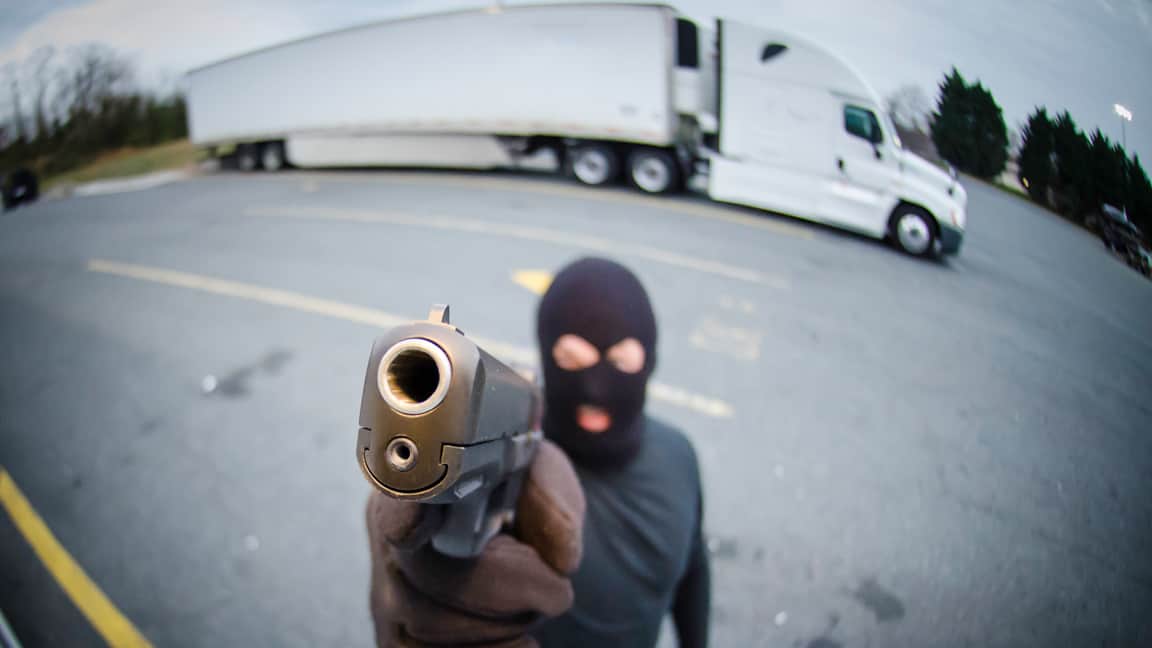
In a December 1, 2025, blog post, Tom Wickham, Vice President and Managing Director of Government Affairs at the U.S. Chamber of Commerce, warns of surging retail crime and cargo theft plaguing businesses nationwide. These "business-focused crimes" extend beyond headlines, imposing heavy financial and societal burdens on employees, owners, and communities. Wickham argues that while crime fluctuates yearly, long-term trends are alarming: larcenies involving shoplifting have doubled since the 1970s, per the nonprofit Council on Criminal Justice. Innocent parties—customers, workers, and entrepreneurs—face higher consumer prices, store closures, and depleted access to essential goods and services.
Retail crimes, including organized shoplifting rings and "smash-and-grab" raids, persist as a core challenge for America’s retailers. Wickham highlights their widespread ripple effects, eroding community vitality and forcing businesses to absorb escalating security costs amid post-pandemic recovery.
Cargo theft compounds the crisis, with incidents rising 13% in Q2 2025 compared to 2024, following record highs in 2023 and 2024, according to CargoNet data. Thieves increasingly employ sophisticated fraud and deception, targeting supply chains and driving up costs for shippers, retailers, and ultimately consumers. Texas, Illinois, and California account for 53% of incidents, underscoring regional hotspots.
The post spotlights small businesses as particularly vulnerable. Hrag Kalabjian, a U.S. Chamber Small Business Council member and owner of a family-run coffee shop in San Francisco, shares a poignant example: "The costs associated with keeping people from breaking in and destroying our property add up, especially when business is still recovering from the economic downturn of the pandemic." Such stories illustrate how theft disrupts local economies, frustrating owners with "repeat offenders" who evade felony thresholds through calculated, multi-jurisdictional hits.
To combat this, Wickham outlines a three-pronged federal and local strategy. First, enhance coordination via the bipartisan Combatting Organized Retail Crime Act (H.R. 2853/S. 1404), which would create a Homeland Security Investigations center for multi-agency collaboration, now expanded to tackle cargo theft. Locally, chambers like New Mexico’s Organized Retail Crime Association and Ohio’s Crime Task Force exemplify grassroots efforts.
Second, aggregate offenses to counter criminal sophistication: Reform laws, as pushed by the Chamber with prosecutors like San Diego’s Summer Stephan, to treat repeated thefts as a single serious crime, bypassing lenient thresholds.
Third, boost prosecution: Support backlog-reducing legislation and specialized units, like Pennsylvania’s new Deputy Attorney General office for organized retail crime. In just over a year, it launched 65+ investigations, secured 40+ arrests, and recovered nearly $2 million in stolen goods—a model for states.
Wickham concludes that businesses, workers, and consumers bear the brunt, urging policymakers to enact "effective laws and policies" for safer communities. The Chamber’s initiative on organized retail theft offers further resources, emphasizing collective action to safeguard the economy.