Kodiak AI partners with Bosch to scale autonomous truck platform
|
|
|
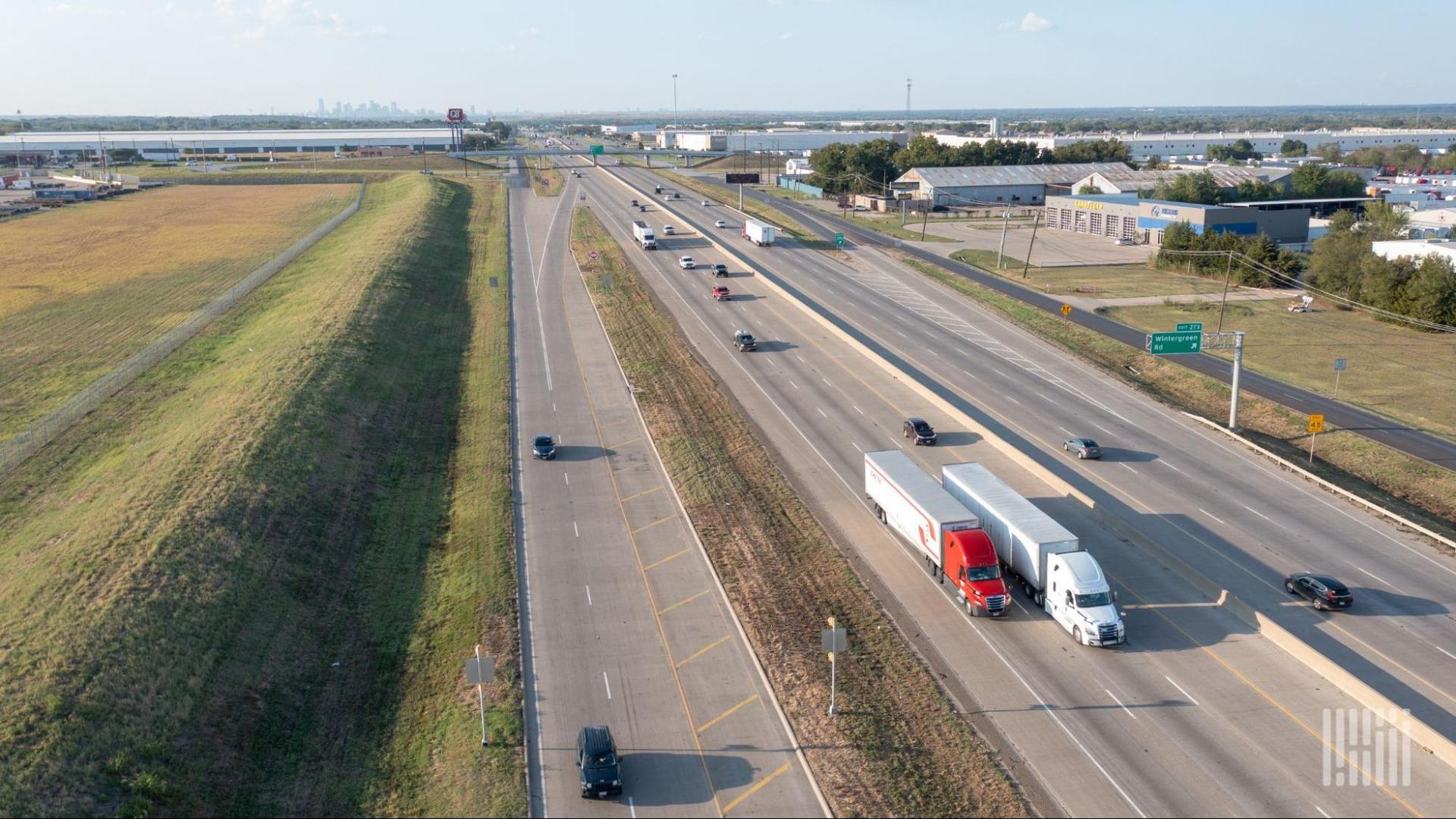
Autonomous trucking faces growing product liability risks
|
(Photo: Jim Allen/FreightWaves)
|
Autonomous trucking technology is advancing rapidly. As with any emerging technology, questions arise when it fails or underperforms. A key challenge for the autonomous vehicle community is that technological development is outpacing legal frameworks, creating potential complications.
One major issue is product liability lawsuits, in which plaintiffs sue manufacturers or sellers, alleging a product caused harm, such as injury or financial loss. Defects can stem from manufacturing, design or marketing flaws. Ignoring these legal risks could lead to fines, settlements or claims costing millions to hundreds of millions of dollars.
Costs can escalate quickly. Recent autonomy-related lawsuits have focused on robotaxis and passenger vehicles. In August 2025, Tesla was found partially liable for a 2019 crash that killed one pedestrian and injured another while one of its vehicles was in Autopilot mode. A federal jury awarded the plaintiffs $43 million for pain and suffering, plus $200 million in punitive damages.
In that case, neither the Tesla driver nor the Autopilot software braked at an intersection with a stop sign and flashing red light. Plaintiff attorneys sued both the driver and Tesla, the maker of the vehicle and its technology.
Stakes could be even higher for autonomous truck manufacturers. Currently, original equipment manufacturers (OEMs) produce the hardware, software companies develop the virtual driver, and fleets operate the vehicles. This division fuels tension between OEMs and autonomous technology providers: When accidents occur on autonomous trucks, who bears responsibility?
Read more.
|
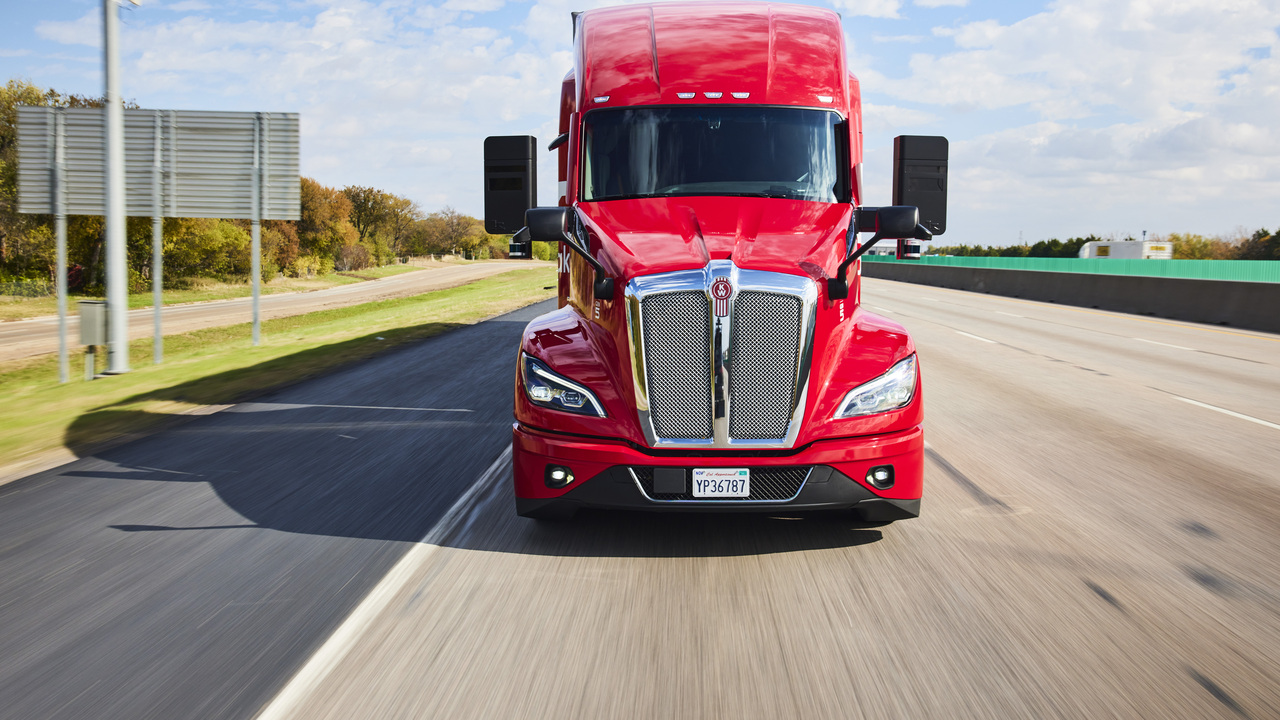
Kodiak AI partners with Bosch to scale autonomous truck platform
|
Kodiak AI announced Monday that it has entered into an agreement with Bosch to scale manufacturing of its production-grade, safety-redundant autonomous platform. This will enable the Kodiak Driver — the company’s AI-powered virtual driver — to be integrated into trucks, either on the assembly line or by an upfitter.
The deal with Bosch, a global supplier of technology and services, aims to develop a platform incorporating specialized hardware, firmware and software interfaces. Bosch is the world’s largest automotive supplier, with a broad portfolio that includes automotive-grade components such as sensors, according to Automotive News.
“Advancing the deployment of driverless trucks and physical AI not only requires robust autonomous technology, but also manufacturing experience and a robust supply chain in order to achieve true scale,” Don Burnette, founder and CEO of Kodiak, said in a statement.
Such partnerships are crucial for self-driving truck technology companies, which need compatible hardware platforms to support and operate their autonomous systems.
“We believe collaborating with Bosch will allow us to scale autonomous driving hardware with the modularity, serviceability and system-level integration needed for commercial success in both upfit and factory installations,” Burnette added.
|
AUMOVIO and AWS partner to accelerate autonomous vehicle development
|
AUMOVIO and Amazon Web Services (AWS) announced a strategic agreement Tuesday to accelerate the development of safer, smarter self-driving vehicles. The partnership establishes AWS as AUMOVIO’s preferred cloud provider for autonomous driving development, combining advanced artificial intelligence and cloud infrastructure. This aims to address one of the automotive industry’s most significant bottlenecks: the time required to develop, test and deploy autonomous vehicles.
“Our collaboration with AWS is a cornerstone of our strategy to lead the transformation to autonomous mobility,” said Ismail Dagli, a member of the executive board and head of the Autonomous Mobility business area at AUMOVIO. “We are creating a solution that combines cloud infrastructure, AI capabilities and automotive expertise, efficiently turning data into actionable insights across complex information environments.
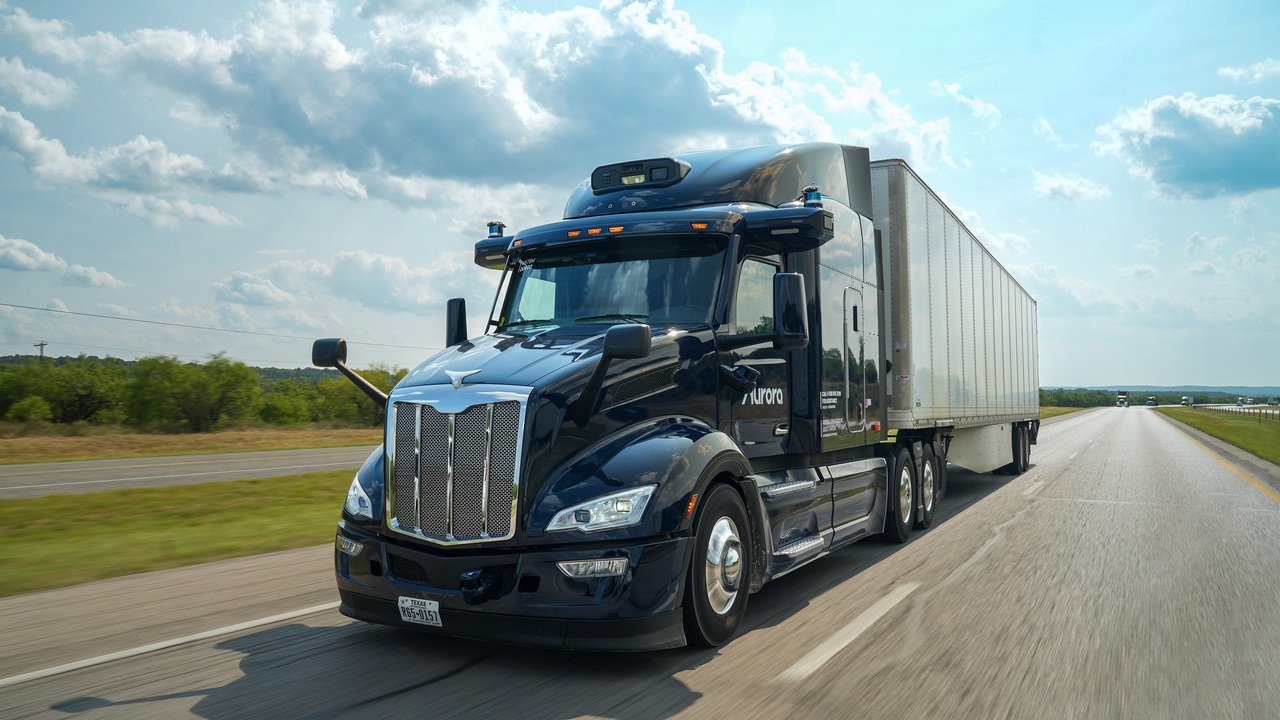
The partnership’s first major deployment will support Aurora, the first company to launch driverless trucks in the United States. AUMOVIO is co-developing and manufacturing the next generation of the Aurora Driver, with production beginning in 2027.
The collaboration integrates agentic and generative AI capabilities, including Amazon Bedrock, into AUMOVIO’s autonomous development and validation workflows. Developing self-driving vehicles requires processing millions of road scenarios, driver behaviors and safety situations daily. The new AI capability allows engineers to search driving scenario data using natural language queries rather than spending weeks on manual searches.
“Working with AWS to power the development of the Aurora Driver was critical to becoming the first company to launch driverless trucks in the U.S.,” said Matt Ellis, senior vice president of software engineering at Aurora. The Aurora Driver has satisfied more than 10,000 requirements and passed 4.5 million tests for driverless operations.
|
|
|
PlusAI is bolstering its board ahead of a planned public listing. The company announced Wednesday that it had appointed two new board members, David C. Peterschmidt and Harry J. Harczak Jr. The release said both have decades of experience in technology and finance. Upon closing, the combined company will operate as PlusAI and is expected to be listed on Nasdaq under the ticker symbol PLS. The business combination is expected to close in the first quarter of 2026.
Purdue University announced the first successful wireless charging of a moving electric heavy-duty truck at highway speeds in the U.S. The tests on the experimental highway segment used patent-pending systems designed by Purdue engineers. The segment was built by the Indiana Department of Transportation along a quarter-mile stretch on U.S. 52/U.S. 231 in West Lafayette. The EV tractor was provided by Cummins. The milestone is part of a multi-year research project with INDOT that began in 2018.
Rutgers University will deploy six hydrogen-powered heavy-duty trucks for drayage operations at the Port of Newark as part of a pilot project funded by the New Jersey Economic Development Authority (NJEDA). The hydrogen tractors are Hyundai’s XCIENT Fuel Cell trucks. Truck deployment and testing are expected to start early in 2026.
|
As always, thanks for watching and reading.
Thomas Wasson
twasson@firecrown.com
|
|
|
|