Is rail feeling softening demand in US-China trade war?
|
|
A roundup of this week’s most read articles
|
|
|
|
|
NEWSLETTER BROUGHT TO YOU BY — Chevron
|
|
|
This is Stuart Chirls, staff writer covering railroads for FreightWaves and Trains.com. This week’s Bulletin Orders: While there has been something of a talent crunch for some companies in the rail engineering sector, at least one major firm has been happy to attract newly-minted CEs right out of school with lucrative offers ... The company is content to spend the money, an executive tells the newsletter, since it more than makes it up in project change orders to fix whatever mistakes the newbies might make…
|
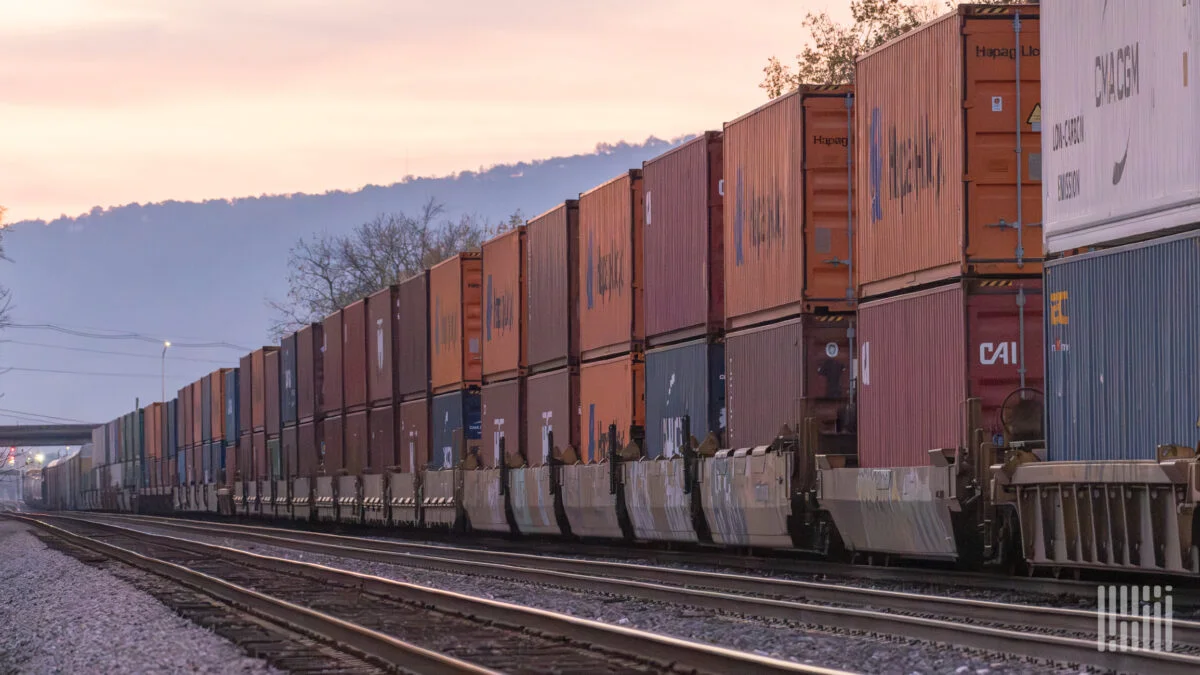
Total U.S. weekly rail traffic was flat for the latest week amid summer doldrums and weaker intermodal likely hit by falling demand on the trans-Pacific trade.
|
|
|
|
|
Botched IT cutover fouled car tracking, train movements
|
|
|
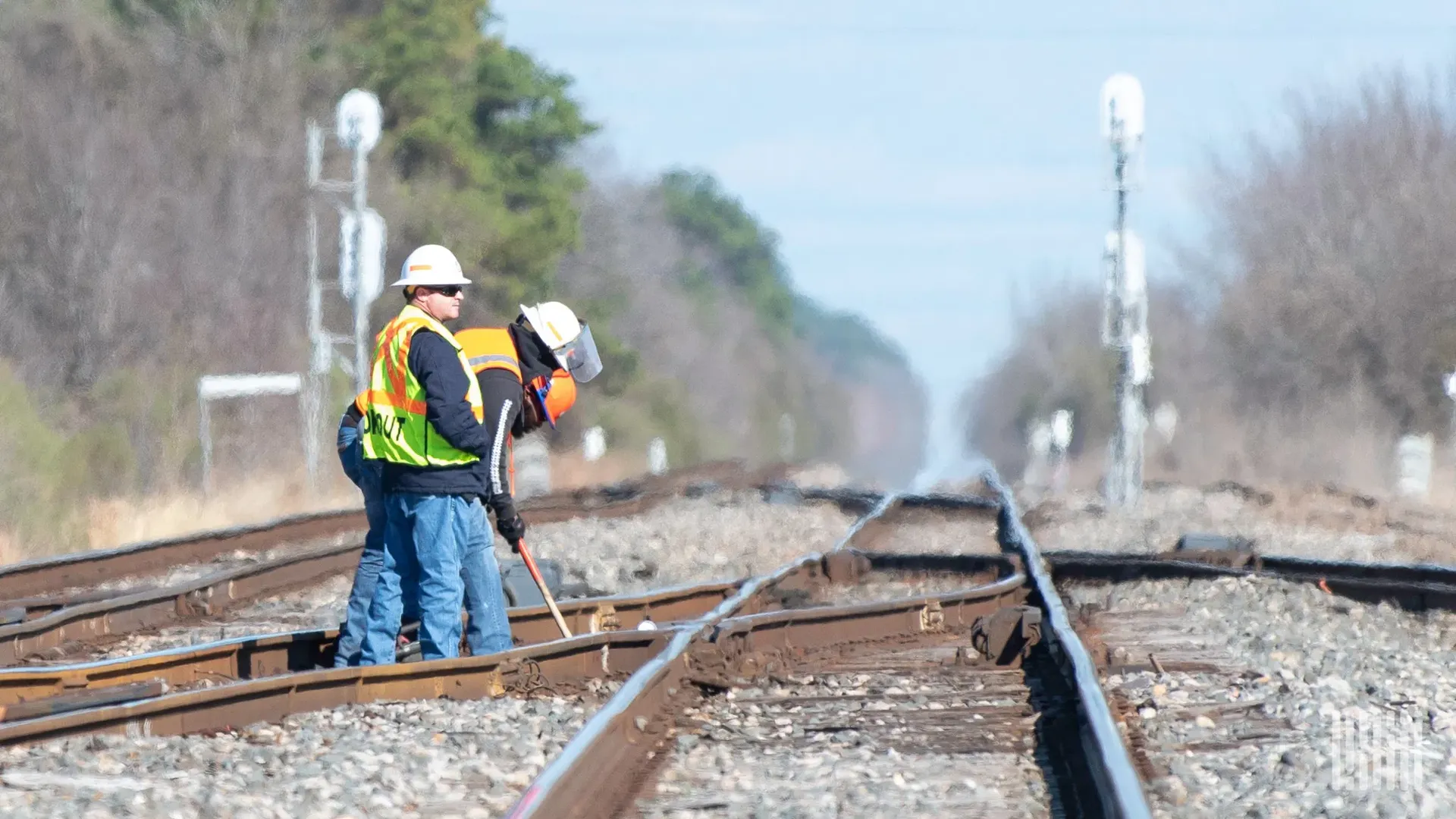
Republicans, Democrats split on automated track inspection
|
|
|
|
|
|
National Institutes of Health plans comprehensive study
|
|
|
Railroads could be less accountable, unions assert
|
|
|
|
The Shipper Rate Report — presented in partnership with BlueGrace Logistics and Trimble — is a quarterly publication using SONAR datasets to create the most in-depth rate and demand outlook for shippers. The insights within this paper are curated by the market experts at FreightWaves and backed by the proprietary data and analytics housed in SONAR’s platform.
|
|
|
Q1 2025 Carrier Rate Report
FreightWaves’ Carrier Rate Report — presented in partnership with Trimble and Deloitte — provides a review of the previous quarter and a forecast for the coming months. Featuring responses from a carrier survey alongside SONAR data, the report is designed to provide intelligence that carriers can use to inform their strategies in the months ahead.
|
|
|
Are you having a hard time taking control of day-to-day freight flows? SONAR provides you with actionable market insights and the fastest freight forecasting so that you can stay on top of supply and demand dynamics on a global, regional, and local scale.
|
|
|
|