Welcome to this week’s Supply Chain Radar, where outages can shut down a warehouse, fuel prices are rewriting mode decisions, and labor strategy is colliding with reality. ⚠️⛽📦
Cloud failures are exposing the risk of always-on systems, pushing operators toward hybrid models as downtime costs soar. At the same time, rising diesel is giving rail a fresh opening, AI is running into national security guardrails, and UPS is backing off buyouts after union pushback tied to a 30,000-job reset. The throughline? Control is shifting across infrastructure, labor, and technology all at once.
👉 Scroll on for resiliency resets, fuel-driven mode shifts, AI policy clashes, labor tensions and the strategies shaping supply chain execution in 2026.
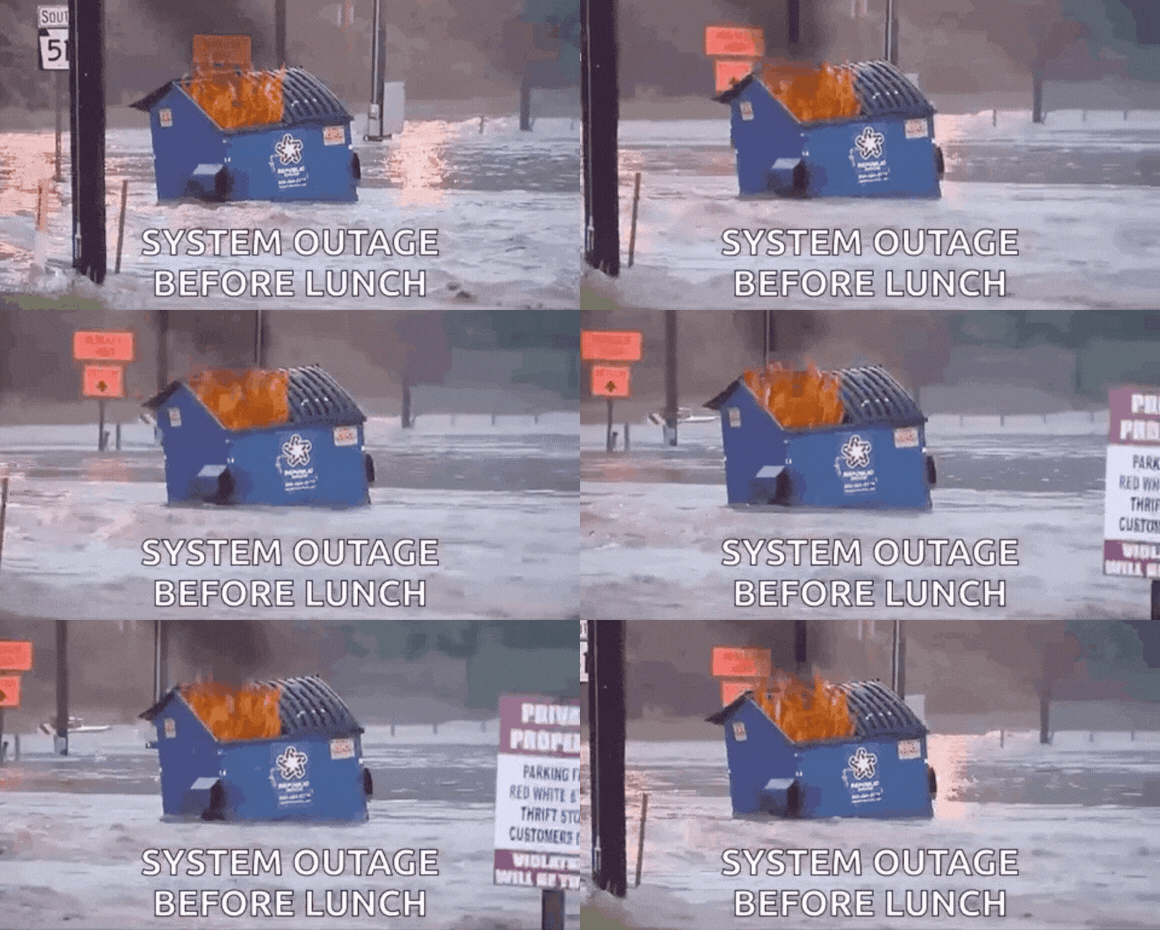
Cloud Outages Become Warehouse Kill Switch ⚠️🏭
Warehouse operators are rethinking cloud-first strategies as outages rack up costly disruptions. New data shows 84% of facilities have experienced downtime in the past two years, with costs reaching up to $100,000 per hour. The shift? Hybrid WMS models that keep operations running locally even when the cloud fails. In 2026, resiliency isn’t optional, it’s the new baseline for execution.
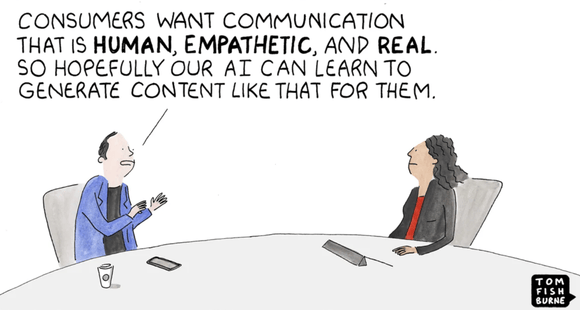
In a market flooded with “AI-powered” and “end-to-end visibility” claims, most supply chain tech companies don’t have a product problem, they have a positioning problem. When buyers can’t tell the difference, they default to incumbents or delay decisions altogether. That’s where Pesti comes in, turning messaging into momentum by sharpening narrative, credibility, and market clarity.
Rising diesel prices tied to Middle East tensions could give rail a competitive edge. Norfolk Southern says higher trucking costs may push more freight toward intermodal, especially as smaller carriers struggle to absorb fuel spikes. There’s a twist: elevated energy prices could also boost coal demand, lifting rail volumes. The catch? Railroads burn massive fuel too, turning price swings into both opportunity and risk.
A federal judge just blocked the U.S. government from labeling Anthropic a “supply chain risk,” halting a broader effort to cut off its federal business. The ruling called the move likely unlawful and warned it could “cripple” the company, highlighting growing tension between AI providers and national security priorities.
At the core: who controls AI guardrails and how far governments can go in enforcing them.
United Parcel Service is backing off its controversial $150K driver buyout program in 13 states after strong pushback from the International Brotherhood of Teamsters. The reversal comes as part of a broader plan to cut 30,000 jobs and streamline a shrinking parcel network.
The tension highlights a bigger reality: cost-cutting in logistics is now colliding directly with labor power. As volumes soften and networks reset, workforce strategy is becoming just as complex as pricing and capacity.
Here’s the scoop on the SCR Egg-O-Meter: It’s a brand-new rating tool that checks out what the media said about business and supply chain execs in the past 30 days and scores them based on the tonality of mentions from a natural language processing algorithm.
The “Egg-o-Meter” is like a quirky kitchen gadget for measuring how well a supply chain leader can cook up success. It cracks open key traits—like adaptability, collaboration, and innovation—and scrambles them into a perfect leadership recipe. The goal? To avoid being a hard-boiled traditionalist or a runny risk-taker. It’s all about being the ideal sunny-side-up mix to lead teams through the ever-changing heat of the supply chain kitchen! 🍳📦
As Chief Operating Officer of Apple, Sabih Khanoversees one of the most sophisticated global supply chains in the world, spanning procurement, manufacturing, logistics and product fulfillment. A three-decade veteran of Apple, Khan has been a central architect behind the company’s ability to scale innovation while maintaining precision and reliability across millions of devices.
Khan’s leadership has been defined by resilience and diversification. He has helped expand Apple’s manufacturing footprint beyond China into regions like India and Vietnam, ensuring continuity amid geopolitical and pandemic-driven disruptions. At the same time, he continues to reinforce Apple’s long-term partnerships in China, balancing global diversification with critical supplier relationships.
Sustainability is another cornerstone of his strategy. Khan has driven initiatives that reduced Apple’s carbon footprint by more than 60%, while advancing supplier responsibility and ethical manufacturing standards. As COO, he is now shaping how Apple blends operational scale, geopolitical agility and environmental leadership.
.png?width=1196&upscale=true&name=Header-Image-SCR%20(1).png)