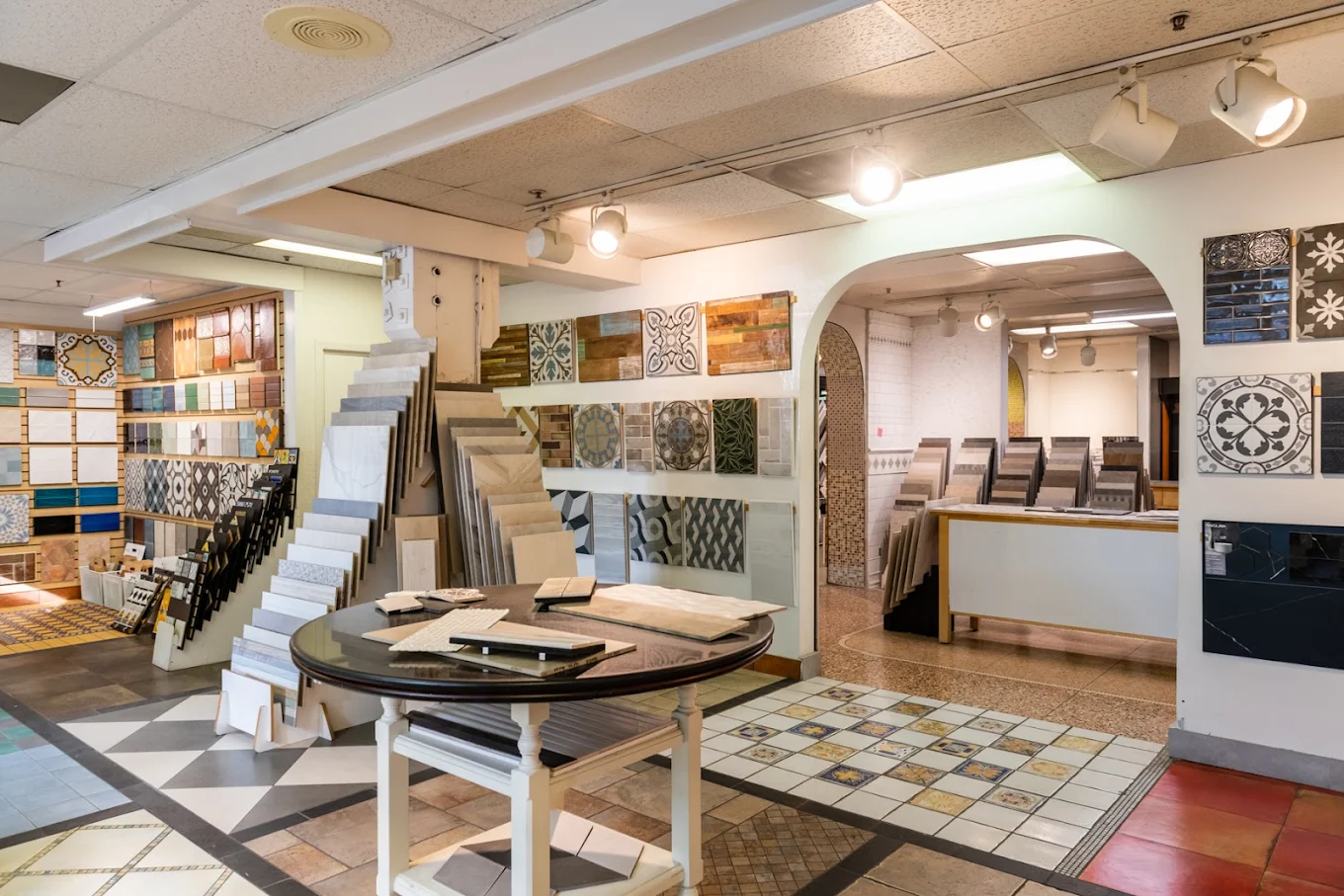
In a sophisticated cargo theft scheme, Claudia Visona, sales manager of Galleria Tile—a three-generation family business in San Francisco—lost $175,000 worth of flooring materials shipped to Baltimore. The scam, which unfolded in August 2025, involved fraudsters impersonating employees of AECOM, a prominent construction firm. Visona described the order as potentially the largest of her career, but it has now pushed her company toward bankruptcy.
The deception began when a man identifying as Johnny Kwok, an alleged AECOM employee, placed a rush order for 25,000 square feet of tile. He resisted a 50% deposit, citing AECOM’s reputation and promising future business, insisting on net-30 payment terms—allowing 30 days post-invoice. Kwok provided seemingly legitimate paperwork, including a credit application from a fake domain (aecom-usa) and a fraudulent website mimicking the real company. Trusting this, Visona shipped the materials to a northeast Baltimore storage facility.
When payment delays arose, Kwok requested a second order: 41,000 square feet of luxury vinyl plank flooring. Visona, anxious yet hopeful, hired a private investigator who inspected the Baltimore site, spoke with drivers claiming AECOM affiliation, and attempted to verify at AECOM’s local offices—without success. Despite her nerves, she proceeded, envisioning showroom upgrades and business growth. "I was nervous and I was excited… if this is real, I can finally get my lights redone… or I’m going to have to close down," Visona recounted.
Communication soon ceased, and AECOM’s security confirmed no employee named Kwok existed. Attempts to contact the provided numbers led to hang-ups. Visona filed reports with San Francisco police and others, but recovery seems unlikely. Keith Lewis of Verisk CargoNet, a cargo theft tracking firm, noted low recovery rates: "You may have 100 loads stolen a week, but you may recover 3 or 4."
The incident highlights a surging national problem. Verisk CargoNet reported 884 supply chain thefts in Q2 2025 across the U.S. and Canada—a 13% year-over-year increase—with losses exceeding $128 million. In Baltimore, average losses rose from $119,918 to $312,356, often targeting high-value metals. Theft by deception, like this case, now comprises about 33% of incidents, involving fake identities and documents. Traditional theft (57%) includes physical trailer break-ins, while other disruptions make up 10%.
Lewis advised verifying orders via direct, confirmed company contacts—not buyer-provided info—and requesting Dun & Bradstreet reports for large deals. For Visona, the loss devastates her family’s legacy: "My mom and my grandma’s legacy is destroyed too… it’s really frustrating."
Federally, the Combating Organized Retail Crime Act (CORCA) proposes harsher penalties and a national center for law enforcement coordination. Victims can report to CargoNet, local police, insurers, or the National Insurance Crime Bureau hotline.
This scam underscores the vulnerabilities in supply chains, urging businesses to prioritize verification amid rising organized fraud.