Aurora races toward scale with new driverless hardware
|
|
|
|
Remembering Alan Adler, FreightWaves journalist and mentor
|
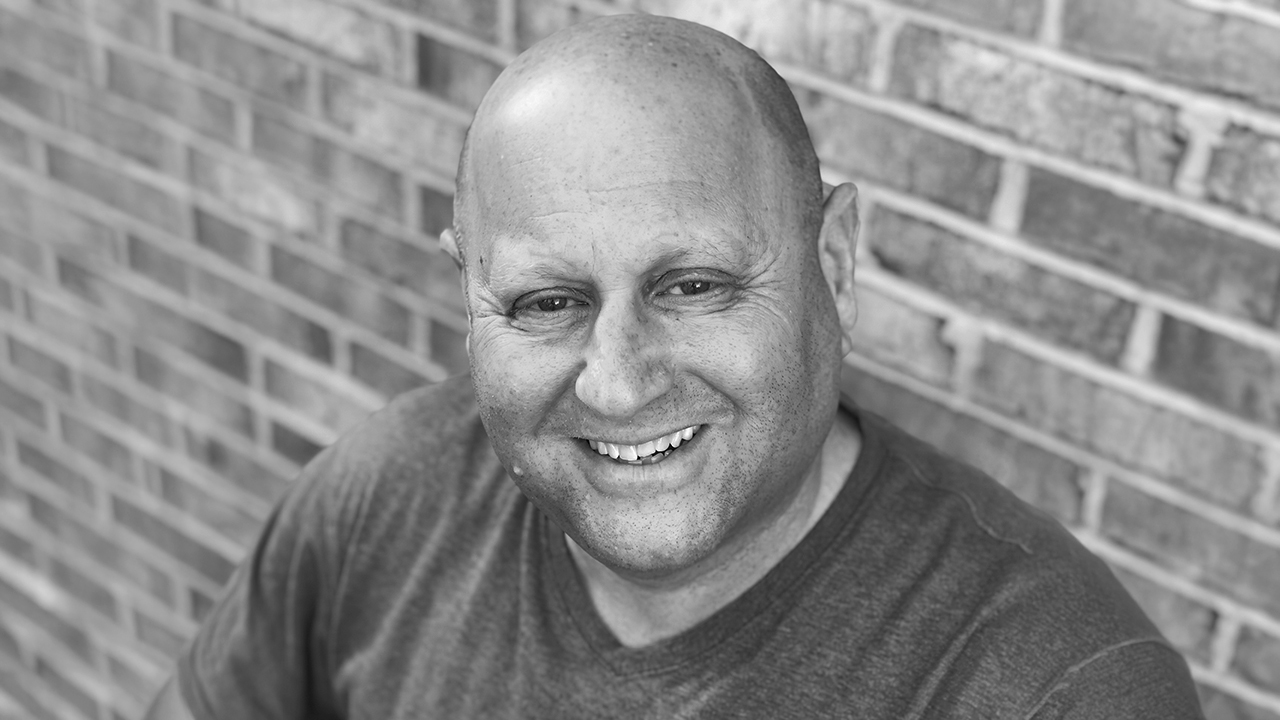
Alan Adler, the award-winning journalist who built the Truck Tech beat at FreightWaves, died on July 17.
Adler served as Midwest bureau chief and was a fixture in coverage of automotive, autonomy and emerging truck technologies. He created the Truck Tech newsletter and podcast and led the reporting on the Nikola truck saga.
Before FreightWaves, Adler worked at The Associated Press and the Detroit Free Press, then spent 20 years in media relations and executive communications at General Motors. He left GM in 2017 to start his own communications company and joined FreightWaves in 2019. His years at GM put him at the forefront of emerging technologies like autonomy, ground he later covered on his trucking technology beat.
Adler retired from FreightWaves in 2025 but never stopped mentoring, remaining an invaluable resource to the writer who took over his beat. At press pools and conferences, he was well known among reporters and executives alike.
His dedication to service ran deeper than journalism. He was a church elder, a Bible study fellowship group leader and a volunteer for the Detroit blight relief organization Life Remodeled. He distributed food with Forgotten Harvest and spent weeks on disaster relief in Haiti and Iowa with Samaritan’s Purse. In retirement, he kept a twice-weekly Meals on Wheels route.
He was a dedicated Cleveland Guardians fan and completed a prized set of 1958 Topps baseball cards shortly before his cancer diagnosis in February.
Alan left a lasting legacy of service and journalistic excellence. He will be missed.
|
Aurora races toward scale with new driverless hardware
|
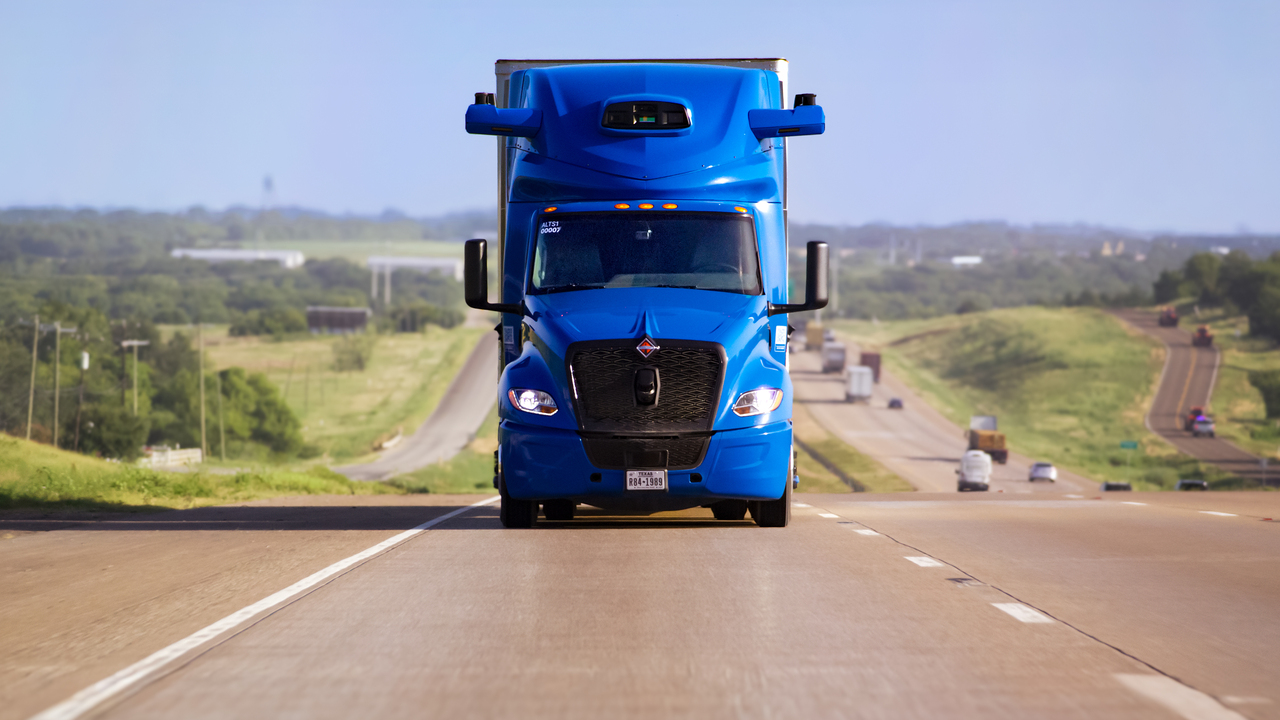
(Photo: Aurora Innovation)
|
Autonomous trucking has two problems, and only one is a driving problem. Proving a truck can drive itself is one hurdle. Building enough of them to matter is another.
Aurora Innovation says its second-generation hardware finally closes that gap. Engineered for a 1-million-mile operating life and built for volume production rather than pilot-scale trials, the platform launched Wednesday across Aurora’s 10 driverless freight routes in the U.S. Sun Belt. The new fleet runs with no passive observer in the cab, the safeguard that has ridden along since the company’s public-road debut last year.
Wall Street is treating the empty cab as the milestone that matters most.
“We believe AUR’s launch of fully driverless operations using its Gen2 hardware is a significant milestone toward commercial deployment of the technology at scale starting in 2027,” Morgan Stanley analyst Ravi Shanker wrote in a note. The launch, he added, signals “that one of the last remaining asterisks around the technology no longer applies.”
Scaling means building trucks faster. The fleet is based on the International LT Series, and manufacturing partner Roush is targeting an annual production run rate of 1,000 trucks by year-end.
“Deploying our second-generation truck allows us to put hundreds of autonomous trucks on the road and ultimately into the hands of more customers,” said Chris Urmson, chief executive officer and co-founder of Aurora.
Not every partner has cleared that bar. PACCAR and Volvo have yet to fully approve operations without a human observer. Aurora reports second-quarter earnings July 29.
|
Einride’s Flipturn deal creates a charging powerhouse
|
Operating electric trucks is half the battle. How fleets handle the charging infrastructure is the other half, and the gap between the two has slowed fleet electrification across North America.
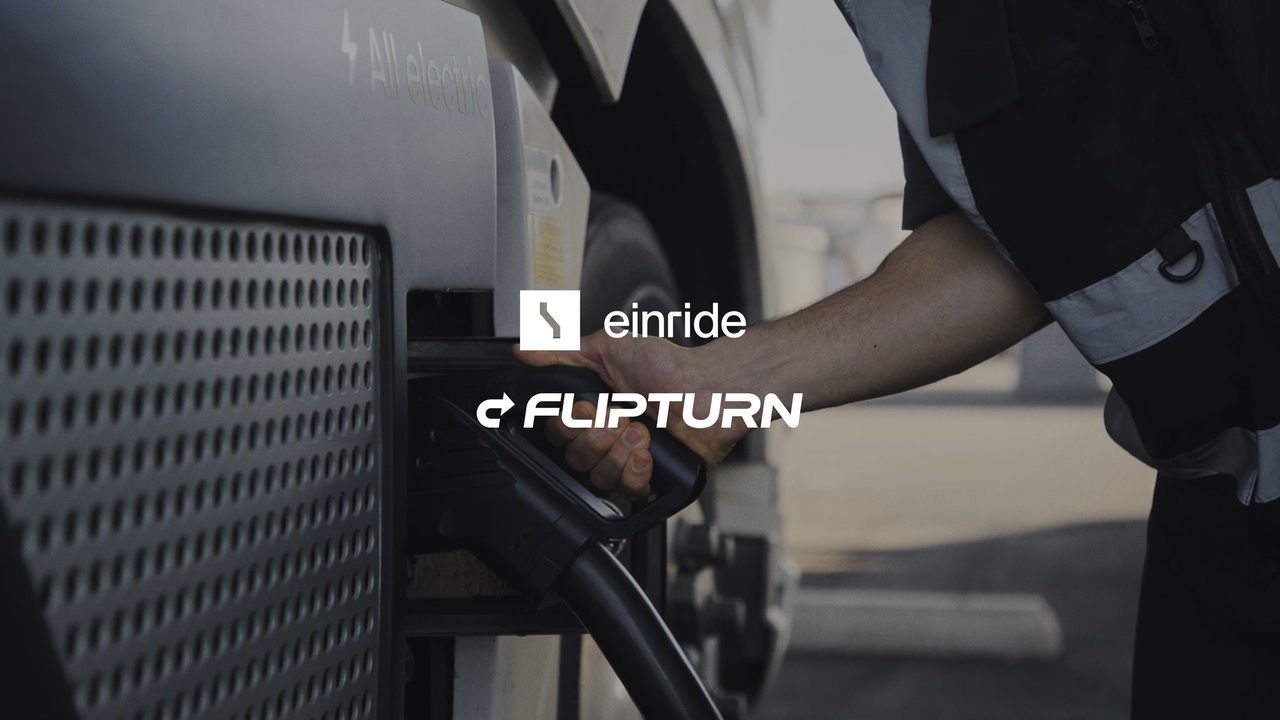
Einride AB says it now has a plan to close that gap. The Stockholm-based company announced Tuesday a definitive agreement to acquire Flipturn Inc., a developer of charging and energy management software for electric fleets, in an all-stock transaction valued at $38.4 million. Einride expects the deal to close in July, pending regulatory approvals.
The acquisition pulls charge point management and energy systems together with the brokerage layer that connects fleets to third-party charging networks. Einride calls the result the first fully vertically integrated electric freight technology stack. Aggregating charging demand at scale also buys more competitive access to those networks.
Flipturn brings an established customer base with more than 250 megawatts of charging capacity, including some of North America’s largest truckload, autonomous and last-mile delivery fleets. That more than doubles Einride’s energy under management.
“This acquisition is a decisive step in our U.S. scaling strategy,” said Roozbeh Charli, chief executive officer of Einride. Flipturn will “improve our customer offering by adding more cost efficient, more reliable, and accessible charging to our customers.”
Flipturn’s software uses AI to predict charging times, optimize power delivery and cut grid energy costs, including time-of-use tariffs and peak demand charges.
“Our customers will keep the same team and platform they rely on today,” said Katie Siegel, co-founder and chief executive officer of Flipturn.
|
|
|
|
Tesla will turn its attention to a self-driving Semi in late 2026 or early 2027, CEO Elon Musk said on the company’s second-quarter earnings call. Semi production continues ramping at Tesla’s Reno, Nevada, plant, which can build up to 50,000 tractors a year. Tesla expects “many thousands” before year-end. (Clean Trucking)
Hydrogen fuel cell tractors showed “genuine operational promise” in the North American Council for Freight Efficiency’s Run on Less demonstration. Penske Logistics and Pilot each ran a Hyundai Xcient, averaging roughly 7.5 and 7.8 miles per kilogram of hydrogen. Infrastructure scarcity and fuel costs still cap deployment at demonstration scale. (Trucking Dive)
The Port of Los Angeles is offering up to $300,000 per vehicle for battery-electric Class 8 drayage trucks bought by licensed motor carriers registered in its Drayage Truck Registry. Awards require at least 10 trucks and cap at $24 million per carrier. Proposals are due Dec. 3. Total funding: $75 million. (DC Velocity)
San Francisco Mayor Daniel Lurie wants California to impose new safety requirements on autonomous vehicle companies after AVs stalled in travel lanes during the city’s Independence Day celebration. His asks include live operational data sharing with city officials. NHTSA separately warned developers about AVs interfering with first responders. (Landline)
|
As always, thanks for watching and reading.
Thomas Wasson
twasson@firecrown.com
|
|
|
|
|