AMD and the evolution of trucking technology
|
|
|
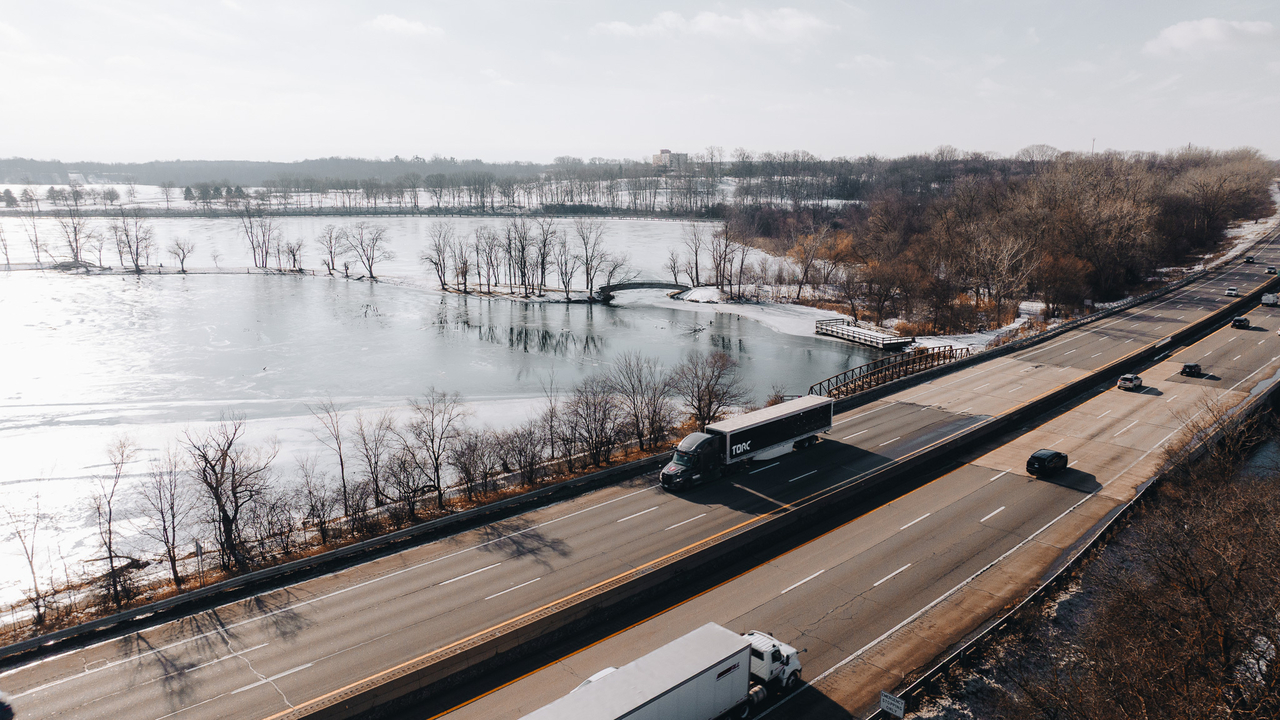
Torc Robotics takes autonomous trucks into Michigan’s snow and ice
|
Torc Robotics is taking its autonomous trucks where few competitors have ventured: the snow, ice and rain of Michigan’s humid continental climate. The Daimler Truck subsidiary announced it will expand public-road testing to the greater Ann Arbor area using the latest-generation autonomous chassis based on the Freightliner Cascadia.
This marks a first and strategic departure from the Sun Belt corridors that dominate autonomous trucking development.
The expansion builds on Torc’s existing operations in Blacksburg, Virginia, and Dallas-Fort Worth, but the Michigan push carries distinct significance. After establishing an engineering office in Ann Arbor last year, the company is now putting that development work directly on Michigan roads.
“It really represents the next step in our path toward commercialization when we look at more environments for the trucks to operate within and validate the overall software and hardware that we’re building,” said Dave Anderson, vice president of engineering at Torc. “You’ve got a much broader set of scenarios that we can begin to subject our hardware and software to.”
Those scenarios include the environmental conditions most autonomous trucking companies have deliberately avoided. Anderson pointed to “all those lovely environmental pieces that come with snow and ice and rain which otherwise you just don’t get as much as you go south around the Dallas-Fort Worth area.”
Read the full story here.
|
Meta strategy chief joins Aurora board as autonomous truck scale-up accelerates
|
(Photo: Aurora Innovation)
|
Aurora Innovation has appointed David Wehner, chief strategy officer at Meta Platforms Inc., to its board of directors. Wehner succeeds Claire Hughes Johnson, who stepped down after guiding the autonomous trucking company through early growth phases.
The timing is strategic. Aurora plans to scale to hundreds and then thousands of driverless trucks by the end of 2027. Wehner brings more than 13 years of experience navigating complex global growth at Meta, including serving as a central figure during Facebook’s 2021 rebrand.
“Having known Dave for nearly a decade, I’ve admired his ability to navigate the most complex growth landscapes in tech,” said Chris Urmson, Aurora CEO and co-founder. “His experience scaling global platforms at Meta will be a massive asset, and we are thrilled to have his perspective on our board as we scale our operations.”
Wehner served as Meta’s chief financial officer from June 2014 to November 2022 before transitioning to his current strategy role. Before Meta, he was CFO at Zynga Inc. and held positions at Allen & Company, including managing director.
“Aurora is at an exciting moment as it transitions to deploying driverless trucks at scale,” Wehner said. “Aurora’s industry leadership is a reflection of a world-class team and a disciplined, long-term vision to transform the American supply chain with autonomous trucks.”
Wehner holds a master’s degree in applied physics from Stanford University and a bachelor’s degree in chemistry from Georgetown University.
|
ACT Expo 2026 lands FedEx Freight CEO for Opening Keynote
|
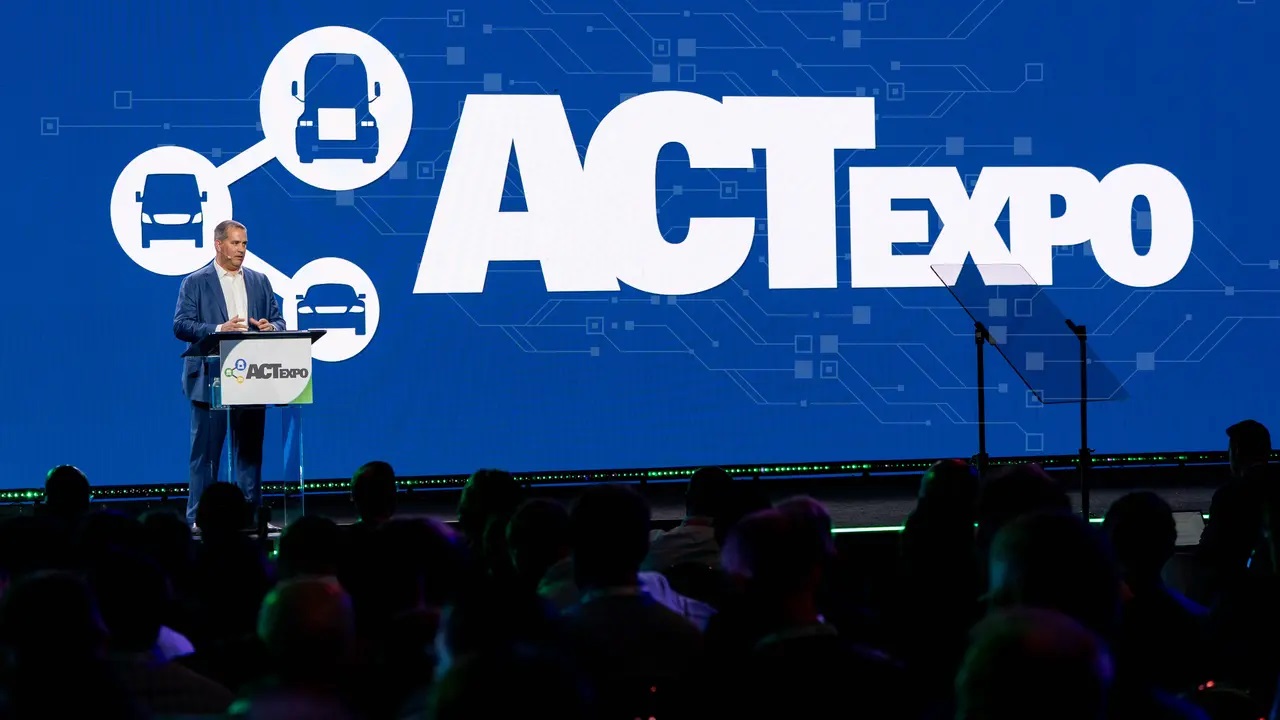
Nearly 400 executives, fleet operators and technology leaders will gather May 4-7 at the Las Vegas Convention Center for ACT Expo 2026, with incoming FedEx Freight president and CEO John Smith delivering the opening keynote.
Smith’s address comes at a pivotal moment — just weeks before FedEx Freight becomes a separate public company on June 1. He oversees North America’s largest less-than-truckload network, which generated $8.9 billion in revenue in 2025 and operates across the United States, Canada and Mexico.
“The LTL industry is being reshaped by rising expectations for speed, reliability, and visibility, and at FedEx Freight, we know a lot of that starts with the truck,” Smith said. “We’re continually refining our operations and working toward a safer and more efficient fleet.”
Smith will address how large LTL networks leverage data, predictive analytics and automation to improve capacity management while balancing cost discipline against investments in digital systems and lower-carbon strategies.
“Fleet leaders are trying to make long-term technology and infrastructure decisions amid an absolute tsunami of new technology options,” said Erik Neandross, president of TRC’s Clean Transportation Solutions group and ACT Expo producer.
The speaker lineup features heavy hitters across the technology spectrum: Rivian founder RJ Scaringe, Mack Trucks president Stephen Roy, Aurora President Ossa Fisher, Tesla’s Dan Priestley, Waabi founder Raquel Urtasun and fleet leaders from Amazon, PepsiCo and Penske.
For the first time, ACT Expo offers continuing education credits through partnerships with NAFA Fleet Management Association and Green Business Certification Inc., with more than 25 sessions and 10 workshops approved.
|
|
|
IN PARTNERSHIP WITH ACT EXPO
|
Connected vehicles, ADAS safety tech, autonomous advancements and software-defined vehicles drive innovation. Learn More.
|
|
|
Zonar secured first-of-its-kind California Air Resources Board (CARB) certification, enabling approximately 400,000 factory-equipped Freightliner Cascadia, Western Star and Thomas Built Buses vehicles to meet Clean Truck Check compliance automatically — without shop visits or additional hardware.
China’s Ministry of Industry and Information Technology has drafted the country’s first mandatory safety standards for higher-level autonomous driving systems, with implementation proposed for July 1, 2027. The regulation shifts from voluntary to enforceable requirements, prohibiting non-compliant vehicles from production, sale and import.
Uber Technologies launched Uber Autonomous Solutions on Feb. 23, bundling infrastructure, user experience and fleet operations tools to help AV partners commercialize faster. The platform includes training data, mapping, regulatory support, in-car interfaces and an industry-first insurance policy. Partners Avride, Nuro, Wayve and WeRide are already deploying the suite globally.
Michael Dunne’s Substack article notes global EV sales surged from 3 million to 21 million since 2020, but U.S. automakers Ford, GM and Stellantis lost nearly $50 billion due to poor execution, dealer resistance and charging woes. The car world is going electric without America, as China dominates batteries—posing risks to U.S. national security and competitiveness.
FreightWaves’ John Kingston writes that Dragonfly Energy is bringing lithium iron phosphate batteries to truck APUs, targeting quieter 10-hour rest periods. The technology eliminates diesel APU noise, weighs 160-200 pounds less than lead-acid alternatives and carries a 10-year transferable warranty. Solutions range from $4,000 to $10,000 per truck.
|
As always, thanks for watching and reading.
Thomas Wasson
twasson@firecrown.com
|
|
|
|