Welcome back to the front lines. This week, we’re dissecting the friction points that keep COOs up at night. Whether it’s the high-stakes chess match in the Strait of Hormuz or the surprisingly fragile supply chain behind a Diet Coke, the lesson is clear: efficiency is brittle without redundancy. We’re also looking at Amazon’s bid to become everyone’s logistics department and why the USMCA’s future is looking a bit hazy. Let’s get to work.
The Hormuz Hurdle: Who’s Getting Through?
The Strait of Hormuz remains the world’s most sensitive maritime carotid artery. With 20% of global oil and liquefied natural gas passing through this narrow passage, the current "tiered" access for vessels is creating a logistical headache. While some carriers gamble on transit, others are rerouting around Africa, adding weeks to lead times and sending fuel surcharges skyward.
Geography is destiny. If your upstream supply chain relies on Middle Eastern energy or feedstock, diversify your carrier base and lock in contingency freight rates now before the next volatility spike.
India is facing a localized Diet Coke shortage, and the culprit isn’t a lack of syrup, it’s what it comes in: the packaging. A reliance on a specific, single-source canning supplier has left shelves empty. This bottleneck highlights the frailty of Tier 2 and Tier 3 supplier visibility; when one specialized component fails, the entire brand experience evaporates.
Audit your "Golden Nut" items; those low-cost, high-impact components with single-source origins. If you can’t dual-source the physical item, dual-source the region to mitigate localized industrial strikes or plant failures.
Disruption Is Loud. CHAINge Is Where You Get the Signal
CHAINge 2026 by ASCM is where the real story shows up. Happening in Long Beach on September 29-30, it’s your front-row seat to global trade in motion. The full agenda just dropped and focuses on what actually matters right now: AI that’s driving outcomes, resilience that holds up in the real world, and trade conversations that go beyond the usual noise. Expect sharp takes from operators in the thick of it, including Gene Seroka, Port of Long Beach, Pete Mento, Baker Tilly, Loredana Di Salvio, L’Oréal and more.
Also worth your calendar: ASCM’s webinaron what the Iran conflict actually means for U.S. ports and supply chains. It’s a preview of the kind of conversations CHAINge leans into, where headlines get decoded, and real implications show up.
And if getting your brand in front of this crowd sounds like a smart move (it is), you know what to do. 👉Explore sponsorship opportunities
Amazon for Everyone: FBA Goes "Off-Platform"
Amazon is no longer just a marketplace; it’s officially an agnostic 3PL titan. By opening its Supply Chain by Amazon (SCA) services to all businesses, even those not selling directly on its site, the retail giant is aiming to commoditize global logistics. From origin pickup to last-mile delivery, they are offering a "one-click" supply chain that leverages their massive scale to undercut traditional carriers.
The "Amazonification" of logistics provides an easy button for scaling, but beware of platform dependency. Use Amazon for speed and reach, but keep your core logistics data independent to maintain negotiating leverage.
Target just dropped a massive anchor in Houston with a new 1-million-square-foot logistics facility. This isn’t just about storage; it’s a strategic move to shorten the "last-mile" distance for the Southern market. By adding 185 jobs and localized sorting capabilities, Target is doubling down on the "stores as hubs" model to compete with the instant-gratification speed of e-commerce giants.
Proximity is the new price point. In the race for same-day delivery, regionalizing your distribution footprint is the only way to keep transportation costs from eating your margins.
The honeymoon period for the USMCA is officially over. As the 2026 "joint review" looms, uncertainty regarding labor rules, automotive content requirements, and trade disputes is making long-term investment in Mexico and Canada feel like a gamble. For procurement leads, the nearshoring dream is currently clouded by potential regulatory shifts.
Don’t let your contracts outpace the legislation. Ensure your North American sourcing agreements have "Change in Law" clauses that allow for renegotiation if tariffs or compliance requirements shift during the 2026 review.
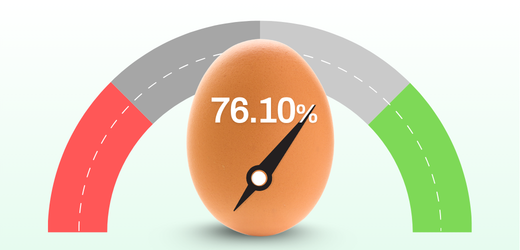
This week’s Egg-O-Meter, our proprietary metric ranking how "hard-boiled" an executive is in the face of market volatility, clocks Dr. Hirotsugu Takeuchi, CTO and CDO of DENSO, at a resilient 76.1%.
For those new to the Radar, the Eggometer measures an executive’s ability to drive digital adoption and maintain operational integrity under extreme pressure. A high score signals a leader who has cracked the code on resilience, while a low score suggests they are still walking on eggshells.
Takeuchi earns his "hard-boiled" status by successfully pivoting DENSO from traditional hardware manufacturing to a sophisticated, software-defined ecosystem. By integrating digital twins and real-time AI into the factory floor, he is future-proofing one of the world’s largest automotive suppliers against the seismic shifts of the EV revolution. His leadership proves that digital transformation isn’t a peripheral side project; it is the new operational substrate for survival in a hardware-heavy industry. While the full transition to a software-centric supply chain remains a high-stakes climb, Takeuchi’s data-driven approach has effectively shielded DENSO from the typical friction of legacy industrial shifts. He isn’t just reacting to the future; he is coding it into the company’s DNA.
.png?width=1196&upscale=true&name=Header-Image-SCR%20(1).png)