Welcome to this week’s Supply Chain Radar. As we cross the Q2 threshold of 2026, the narrative has shifted from where is my stuff? to who (or what) is fixing my problem?
From project44’s move into autonomous orchestration to the orbital connectivity of LEO satellites, the theme is clear: visibility without action is just overhead. We are moving into a high-stakes H2 where fuel diplomacy and AI agents aren’t just luxuries—they are the survival kit for a world where 300 dry fuel stations in Australia serve as a stark reminder of our just-in-time fragility.
Buckle up. It’s getting technical, it’s getting tactical, and it’s getting very, very fast.
To Infinity and… The Warehouse?
Space is no longer the final frontier; it’s the latest layer of your tech stack. As terrestrial networks face congestion, supply chain leaders are looking up. Low Earth Orbit (LEO) satellites are transitioning from cool gadgets to critical infrastructure, providing 100% dark-site connectivity and real-time asset orchestration where 5G dares not tread.
Stop viewing satellite tech as a "Plan B" for remote sites. In 2026, orbital connectivity is the backbone of truly global, real-time visibility. If you aren’t auditing your space-readiness, you’re grounded.
The Just-in-Time ghost has come back to haunt the Land Down Under. With the Strait of Hormuz in turmoil, Australia—reliant on the region for 50% of its diesel—is staring at empty pumps. 300 stations are dry, and reserves have dipped to a nail-biting 29 days. Prime Minister Albanese’s fuel diplomacy in Brunei and Malaysia is a frantic pivot toward diversification.
Geography is destiny. If your energy or raw material source funnels through a single maritime chokepoint, your efficiency is actually fragility. It’s time to price in the cost of sovereign buffer stocks.
Natural Gas has officially become the most volatile piece on the global logistics board. Conflict-driven disruptions are rerouting flows, turning energy procurement into a high-stakes game of Musical Chairs. As pipelines become targets, the reliance on LNG carriers is skyrocketing, sending spot rates into the stratosphere and complicating chemical and manufacturing supply chains.
Energy is a supply chain input, not just a utility bill. Procurement teams must integrate geopolitical risk modeling directly into their energy sourcing contracts to survive the LNG Shock.
2026 trade isn’t just about moving cargo—it’s about managing enforcement risk. From U.S. import surcharges to the manufacturing exodus into Vietnam, the APAC landscape is shifting. Dimerco has launched its State of Air & Ocean Freight Asia-Pacific survey to map these H2 2026 disruptions. In a volatile market, this pulse check defines the benchmarks for route stability and cost spikes.
Quit playing spectator with your supply chain metrics—start driving the narrative. Shippers who contribute to these benchmarks gain "first-look" privileges, turning raw data into a competitive head start on transit trends.Contribute here (5 mins)to see how you stack up.
The Yard is the New Frontier
C3 Solutions just dropped its 2026 State of Dock and Yard Management Report, and the verdict is in: The Black Hole of the supply chain is finally being lit up. Despite high-tech warehouses, the yard remains a bottleneck of idling trucks and lost trailers. The report highlights that Dynamic Slot Management is the #1 priority for shippers looking to slash demurrage costs.
You can’t have a fast warehouse with a slow yard. Investing in Yard Management Systems (YMS) is currently the highest-ROI move for reducing Last-Mile friction.
In the deal of the week, project44 has acquired LunaPath.ai, signaling a pivot from Visibility (knowing where things are) to Orchestration (doing something about it). LunaPath’s AI agents don’t just track shipments; they autonomously handle carrier check calls and reschedule missed slots. Welcome to the era of Explainable AI logistics.
The Control Tower is becoming an Action Tower. The goal is no longer a dashboard of red lights, but an autonomous agent that fixes the problem before the light even turns red.
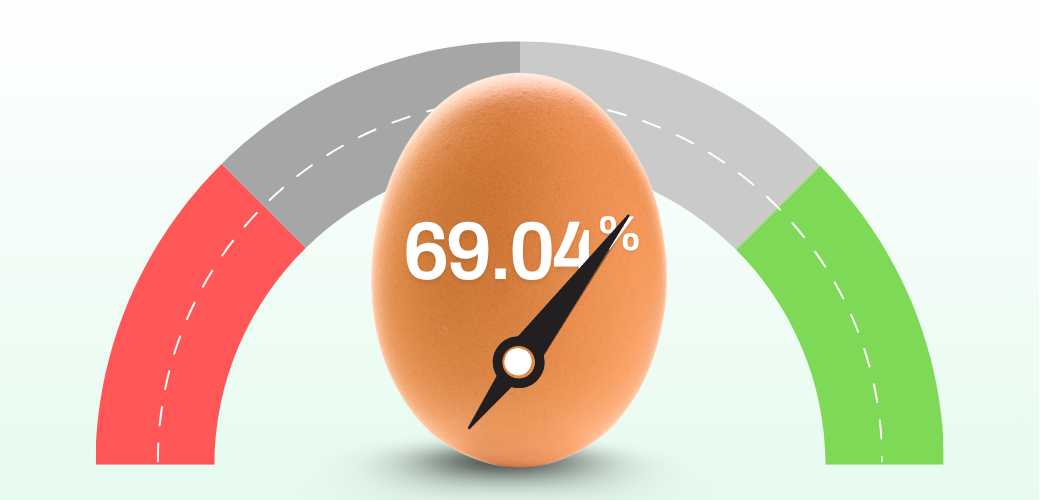
The SCR Egg-O-Meter: Who’s Cracking Under Pressure?
Ditch traditional KPIs for the SCR Egg-O-Meter. Our NLP algorithm analyzes 30 days of media buzz to rank logistics leaders on innovation. From "Hard-Boiled" traditionalists to "Sunny-Side-Up" visionaries, we reveal who’s mastering the market heat and who’s just making a mess. Learn morehere.
McCarthy’s strategic initiative,"stores-as-hubs,"is proving vital in navigating current supply chain pressures. This model transforms retail locations into localized fulfillment nodes, significantly reducing delivery costs and complexity. The strategy is currently crucial for offsetting port congestion and mitigating the impact of the global diesel crisis. Following a successful Chicago-based test, this localized shipping specialization was expanded to 35 major metropolitan areas, demonstrating its ability to boost both sales and profitability.
On a broader scale, Target has been proactive in adjusting its upstream logistics flow to mitigate shipping delays stemming from the Hormuz region. This collective effort is reflected in a solid B+ score for successfully navigating the current macro-economic turbulence. However, the lingering pressure on domestic inventory levels keeps the needle from hitting the 70s.
.png?width=1196&upscale=true&name=Header-Image-SCR%20(1).png)